Punched
Parts
Progressive and compound die work at volume — the line where almost all the risk sits in the tooling, and almost all the disputes start with who owns it.
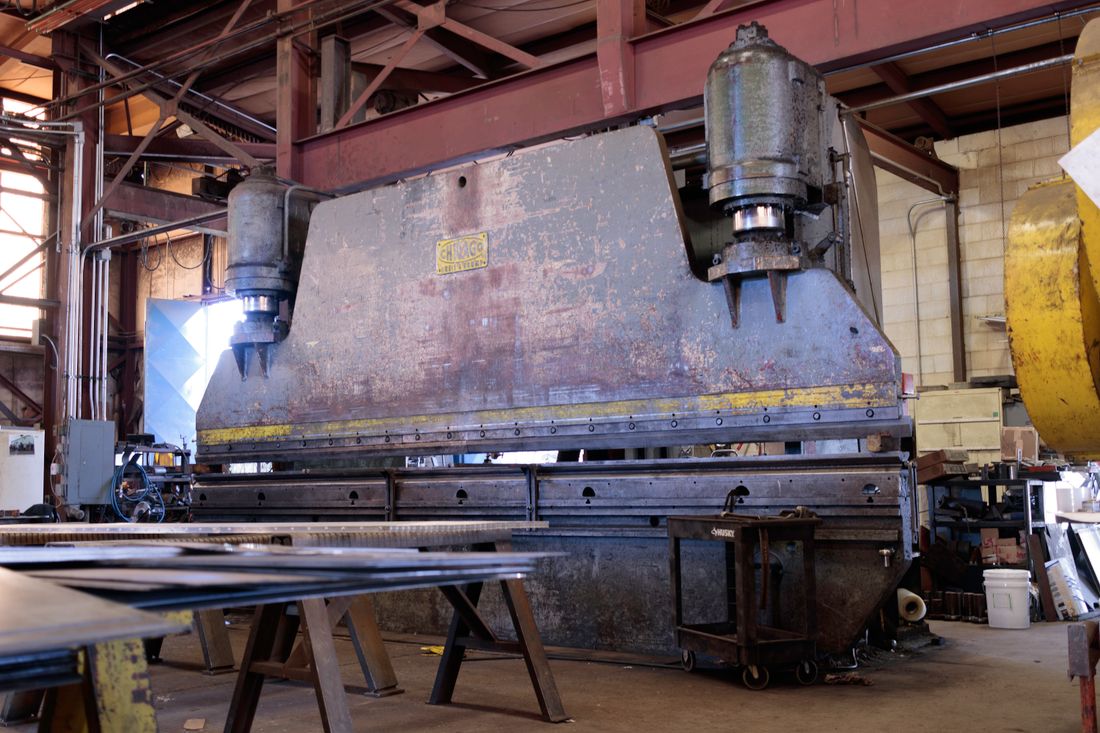
Processes we buy
- Progressive dieMulti-station strip work for high-volume components.
- Compound dieSingle-station blank-and-pierce where volume does not justify progressive.
- Deep drawingDrawn shells and enclosures in steel, stainless and aluminium.
- Fine blankingClean full-thickness cut edges where a secondary operation is unacceptable.
- Secondary operationsTapping, welding, riveting and insert fitting in line.
- FinishingPlating, powder coat, passivation and e-coat.
What we fix before tooling is cut
These goods are bought to a drawing, a grade and a tolerance. That only works if the drawing is controlled, the features that actually matter are named, and the supplier can measure them repeatably.
Every criterion above appears in the inspection report as a pass or a fail, with the measured value beside it and the gauge named. A first article is signed off before any bulk is produced.
What we screen before a sample is quoted
Tooling ownership
This is the defining commercial risk of the category. A die you paid for and cannot remove makes every future negotiation one-sided. Ownership, storage and release terms are written into the agreement before the first payment.
Tool wear drift
Parts drift as the die wears, and the drift is gradual enough to pass inspection until it doesn’t. Maintenance intervals are agreed and audited.
Coil substitution
A cheaper coil of nominally the same grade changes springback and formability. Certificates are traced to the coil actually run.
Press guarding
Mechanical presses are the most dangerous machines in this supply chain. Guarding and interlocks are checked on site, every visit.
Clusters we work for this line
Stamping capability follows the auto industry. The strongest units sit in the auto corridors, and they price and behave accordingly.
The other manufacturing lines
Send us the sample. We will tell you honestly.
Whether we can source it well in India, what it should cost, and what could go wrong — before you commit to anything.