Textiles —
Greige to Apparel
Cotton and polyester greige fabric, dyeing and finishing, home textiles and made-ups, through to cut-and-sew — with every subcontracted step disclosed.
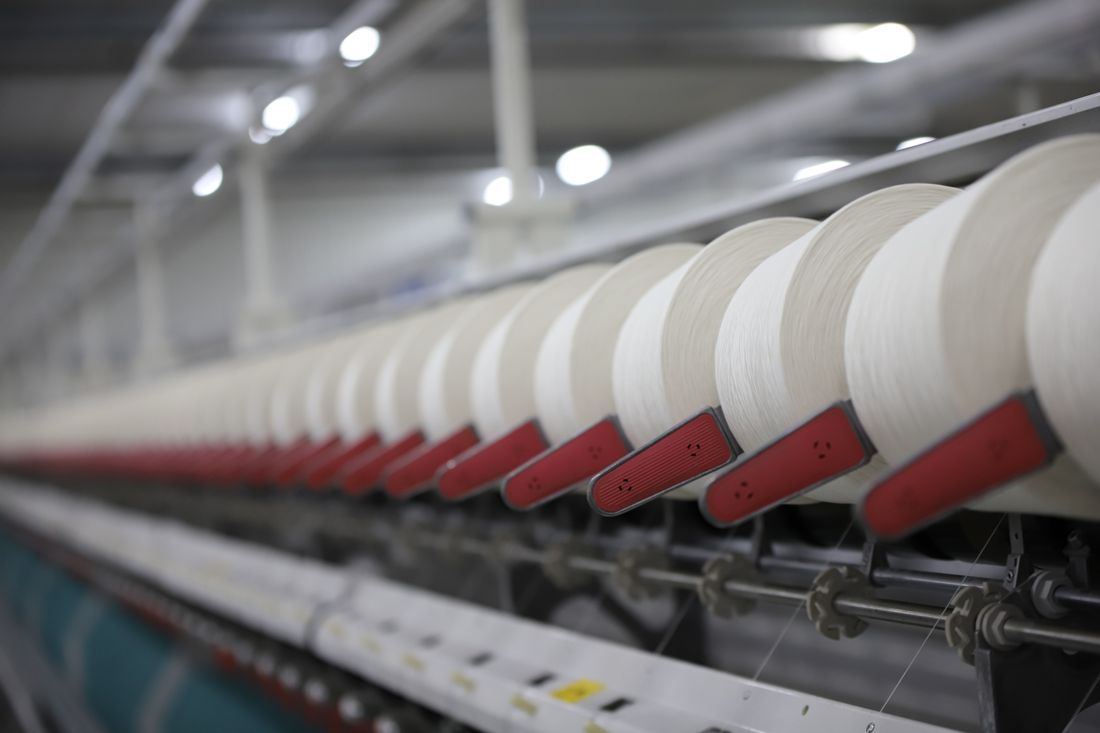
What we buy in this line
- Greige fabricWoven cotton, polyester and blends, sold by the metre.
- Dyeing and finishingReactive, disperse and pigment, with the finish route specified.
- Home textilesBedding, table linen, towels and curtains.
- Made-upsCut-and-sewn textile products to a supplied tech pack.
- Cut-and-sew apparelWoven garments, with subcontracting disclosed and verified.
- YarnWhere the programme is better served by buying the yarn upstream.
What we fix before the loom or the cutting table
These goods are bought to a drawing, a grade and a tolerance. That only works if the drawing is controlled, the features that actually matter are named, and the supplier can measure them repeatably.
Every criterion above appears in the inspection report as a pass or a fail, with the measured value beside it and the gauge named. A first article is signed off before any bulk is produced.
What we screen before a sample is quoted
Undisclosed subcontracting
Dyeing, printing and stitching are routinely placed outside the audited unit. Every subcontractor is disclosed as a condition of engagement.
Cotton origin
Forced-labour import rules make cotton origin a customs question, not a sourcing preference. Traceability is asked for at the outset.
Effluent
Dyehouse discharge is the biggest environmental exposure in Indian textiles and the one most likely to reach a buyer’s customer as a story.
Shrinkage on arrival
Fabric that meets spec at the mill and moves after shipping. Measured after the specified wash, not off the roll.
Clusters we work for this line
India’s textile clusters are highly specialised — Tiruppur for knits, Panipat for home textiles, Surat for synthetics, Karur for made-ups. They are not interchangeable.
The other manufacturing lines
Send us the sample. We will tell you honestly.
Whether we can source it well in India, what it should cost, and what could go wrong — before you commit to anything.